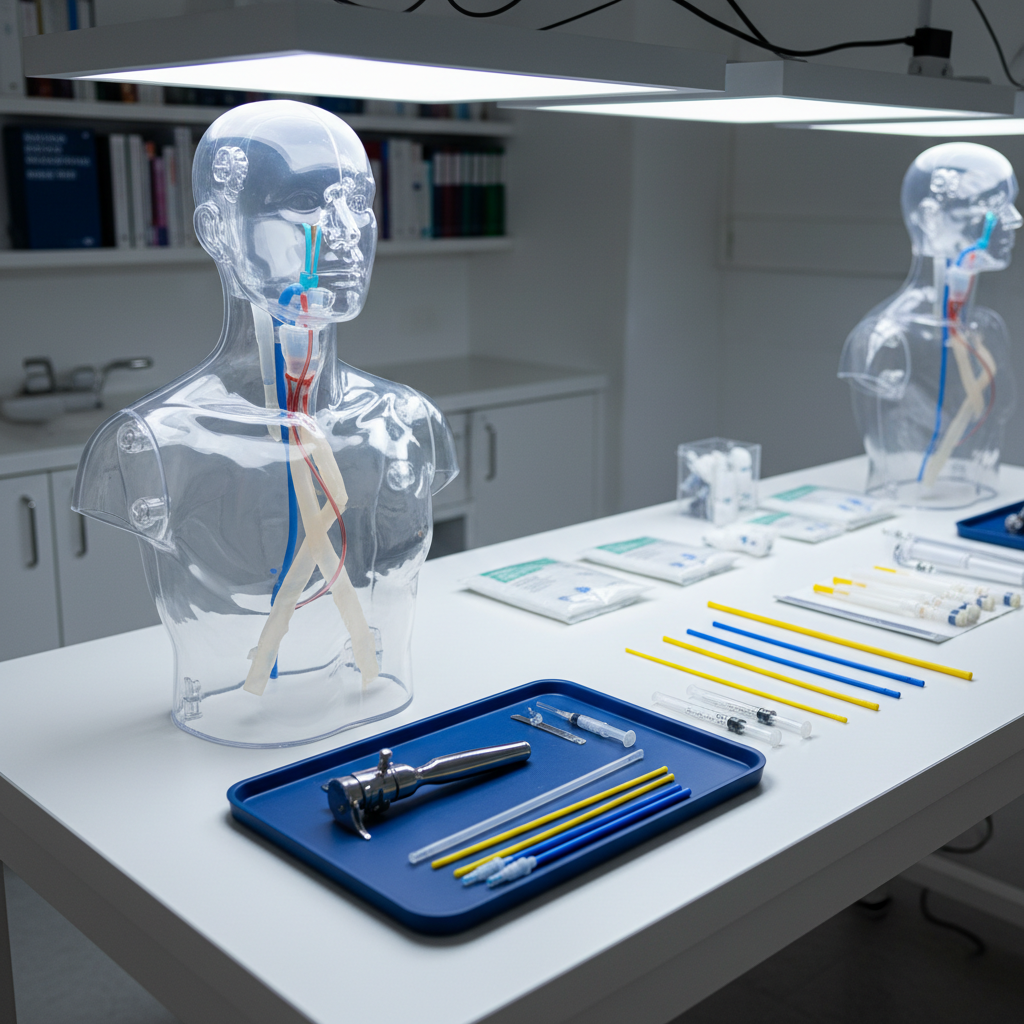
A detailed close-up of a transparent simulation mannequin torso on a sturdy, matte white training table, surrounded by intubation and procedural skills equipment, all neatly arranged. A laryngoscope with a shiny metallic blade, endotracheal tubes of various sizes, bougies, and syringes are laid out on a deep blue tray, each tool aligned with deliberate precision. Overhead LED lighting illuminates the clear plastic anatomy, revealing internal structures, and casts crisp, controlled shadows across the table. Photographic realism, captured from a slightly oblique angle with shallow depth of field, keeps the mannequin and nearest tools in sharp focus while softly blurring the background. The atmosphere is serious yet safe, emphasizing structured skills training for clinicians progressing from SHO to registrar.

Curriculum Overview

This page introduces the core SHO-to-Registrar progression, highlighting key milestones, competencies, and milestones in emergency medicine training within the UK system.

About

SHO to Registrar

A practical framework guiding junior doctors from frontline SHO roles to registrar responsibilities, aligning with UK training pathways and ED competencies.
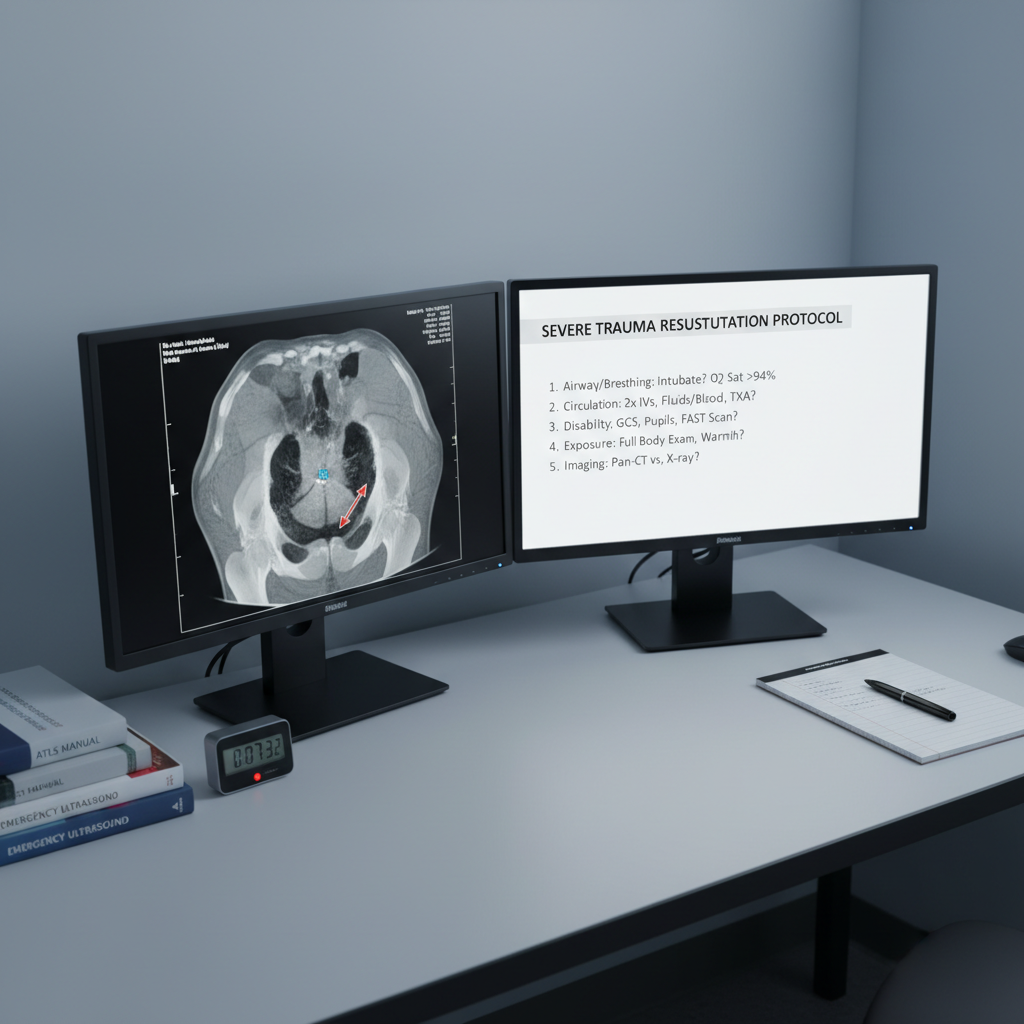
A high-resolution, photographic realism scene of a modern emergency department workstation without any people, showing a dual-monitor setup on a smooth, pale gray desk. One screen displays a detailed trauma CT scan, while the other shows a structured protocol checklist in clean, legible text. A neatly stacked pile of clinical guideline booklets, a digital timer, and a lined notepad with a single black pen sit within easy reach. Cool, neutral overhead lighting creates minimal glare on the screens and soft shadows along the desk’s edge. Shot from a slightly elevated angle with sharp focus, the mood is focused and analytical, conveying advanced decision-making and systematic thinking in emergency medicine.
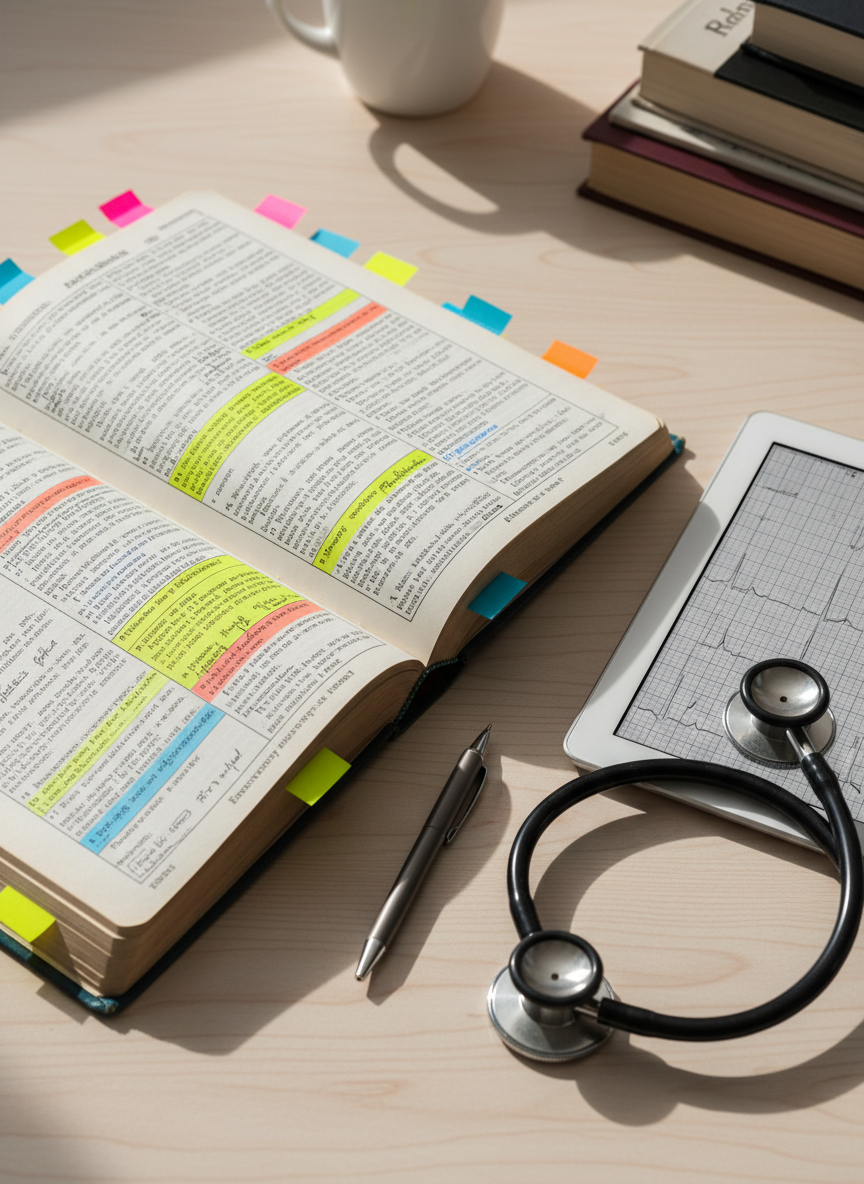
A close-up, overhead view of a well-used emergency medicine handbook lying open on a light wood desk, its pages filled with highlighted text, colored sticky tabs, and a few handwritten marginal notes. Beside it rests a stethoscope coiled neatly, a sleek tablet displaying a monochrome ECG trace, and a fine-tip pen aligned parallel to the book’s spine. Soft, diffused daylight from an unseen window to the left creates gentle shadows and a calm, studious atmosphere. The composition follows the rule of thirds, with the open book dominating the frame and background elements subtly blurred. Photographic realism with a clean, academic feel, representing focused study and the transition from basic to advanced emergency practice.

Module Overview

Breaks the curriculum into modules (resus, majors, minors, paeds, leadership) with brief outlines and learning objectives.

Curriculum Registration

Allows trainees to register interest or request guidance on using the curriculum in their own PDPs or ARCP prep.

You can register interest or seek guidance on integrating this curriculum into your PDPs and ARCP preparation.

← Back

Thank you for your response. ✨

A detailed close-up of a transparent simulation mannequin torso on a sturdy, matte white training table, surrounded by intubation and procedural skills equipment, all neatly arranged. A laryngoscope with a shiny metallic blade, endotracheal tubes of various sizes, bougies, and syringes are laid out on a deep blue tray, each tool aligned with deliberate precision. Overhead LED lighting illuminates the clear plastic anatomy, revealing internal structures, and casts crisp, controlled shadows across the table. Photographic realism, captured from a slightly oblique angle with shallow depth of field, keeps the mannequin and nearest tools in sharp focus while softly blurring the background. The atmosphere is serious yet safe, emphasizing structured skills training for clinicians progressing from SHO to registrar.